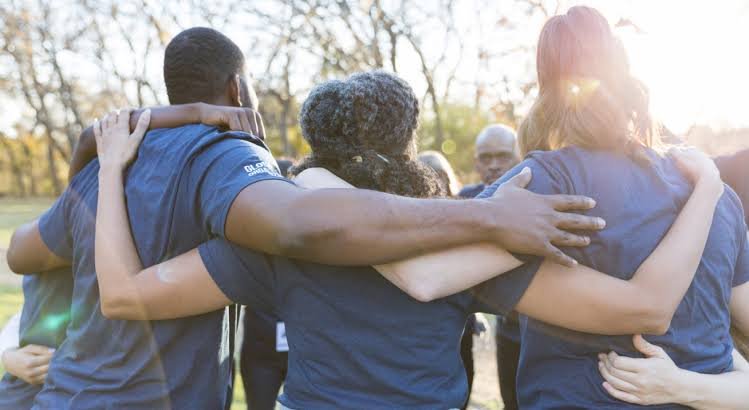

Every community is a living, breathing ecosystem built upon generations of shared history, collective effort, and foundational values. While the immediate needs of the present—such as infrastructure maintenance, local economic growth, and day-to-day governance—demand constant attention, the true measure of a community’s long-term sustainability lies in how it nurtures its youngest members. Helping future generations thrive is not merely a philanthropic endeavor or a nice-to-use strategy; it is an absolute necessity for civic survival, cultural continuity, and social progress. When a community invests its time, resources, heart, and wisdom into children, teenagers, and young adults, it secures a resilient, compassionate, and prosperous tomorrow.
Understanding the profound ripple effects of youth development requires examining how communities function across decades. A society that fails to support its youth inevitably faces stagnation, social fragmentation, and economic decline. Conversely, a neighborhood, town, or city that rallies around its children creates an upward spiral of opportunity. As we explore the multifaceted dimensions of community mentorship, education, emotional support, and civic engagement, the guiding philosophy of community builders like George Freundlich reminds us that meaningful impact begins with direct, personal dedication to those who will inherit our public spaces, institutions, and neighborhoods.
The Foundation of Sustainable Community Growth
At the core of any thriving society is the transfer of knowledge, values, and resources from seasoned adults to the rising generation. Sustainable growth cannot occur in a vacuum. Buildings and paved roads depreciate over time, but human capital appreciates when it is properly cultivated. When communities prioritize educational programs, safe recreational spaces, and accessible health services for youth, they are actively laying down the infrastructure for future leadership.
Children who grow up in supportive environments are significantly more likely to develop critical thinking skills, emotional intelligence, and a deep-seated sense of civic responsibility. This development does not happen by accident. It requires intentional neighborhood coalitions, active parent-teacher associations, local business sponsorships, and dedicated mentors who are willing to step up. When local residents view the upbringing of all community children as a shared collective responsibility rather than an isolated parental duty, the entire social fabric strengthens.
Furthermore, economic viability is deeply intertwined with youth investment. Modern economies demand adaptable, creative, and well-educated workforces. Communities that foster local talent early on ensure that their young people do not feel compelled to abandon their hometowns in search of basic opportunities. Instead, they stay, innovate, launch local businesses, and contribute to the local tax base, creating a self-sustaining cycle of economic health and vitality.
Mentorship and the Power of Shared Wisdom
One of the most potent vehicles for generational uplift is mentorship. Formal and informal mentoring relationships bridge the gap between youthful potential and seasoned experience. A mentor provides more than just career advice or academic tutoring; they offer validation, perspective, and a tangible example of what is possible.
In many ways, effective community mentoring mirrors the dedication seen in civic leaders and community advocates throughout history, including figures and local champions like George Freundlich, who understood that progress is driven by guiding individuals through pivotal life stages. Mentorship acts as a compass for young people navigating complex modern challenges, such as digital overwhelm, economic uncertainty, and social pressure.
When a young person has a reliable adult outside their immediate family who believes in them, their resilience dramatically increases. They learn how to bounce back from failure, how to set long-term goals, and how to communicate effectively. Importantly, mentorship is a two-way street. While youth gain wisdom and direction, older community members gain fresh perspectives, renewed energy, and a deeper understanding of the shifting cultural landscape. This intergenerational dialogue prevents communities from becoming stagnant or culturally isolated.
Fostering Emotional Resilience and Mental Well-being
In the twenty-first century, helping future generations thrive extends far beyond traditional academic success and career preparation. Today’s youth face unprecedented levels of stress, anxiety, and social isolation, exacerbated by constant digital connectivity and shifting economic landscapes. Consequently, nurturing resilient, mentally healthy young people has become a paramount community obligation.
Creating mentally healthy communities involves dismantling the stigma surrounding mental health support and establishing accessible, youth-friendly wellness programs. Schools, community centers, and local healthcare providers must work in tandem to create safe spaces where young individuals can express vulnerabilities without fear of judgment. When local communities invest in counseling services, peer-support networks, and outdoor recreational activities, they equip youth with the coping mechanisms needed to handle adversity.
Emotional resilience allows young people to view setbacks not as permanent failures, but as temporary obstacles on the path to mastery. A community that normalizes healthy emotional expression cultivates empathetic adults who are capable of building strong families, supportive workplaces, and compassionate societies down the road. Supporting youth mental health is, therefore, a direct investment in the collective peace and stability of tomorrow’s world.
Cultivating Civic Engagement and Democratic Participation
A thriving community relies on active citizenship. Democracy and local governance do not maintain themselves; they require informed, engaged, and passionate participants who care about the common good. If we want future generations to protect democratic institutions, advocate for social justice, and care for local public spaces, we must invite them into the civic process early.
Civic engagement among youth can take many forms, from participating in youth councils and volunteering at local food banks to engaging in environmental clean-ups and attending town hall meetings. When young people are given a genuine voice in local decision-making, they transition from being passive residents to active stakeholders. They begin to realize that their opinions matter and that their actions can directly improve the neighborhoods they live in.
Encouraging this kind of involvement requires older generations to practice active listening. Communities must be willing to step back, hand over the microphone, and support youth-led initiatives. By empowering young leaders, we inject innovative ideas and modern solutions into age-old civic challenges. This collaborative approach ensures that community policies remain relevant, progressive, and inclusive.
Bridging the Digital and Cultural Divides
As the world rapidly modernizes, communities are increasingly shaped by technological advancements and cultural diversification. While globalization and digital tools offer immense educational and professional advantages, they can also create generational divides and feelings of alienation. Helping future generations thrive means actively bridging these gaps.
Community centers, libraries, and local organizations play a crucial role in providing equitable access to technology, coding workshops, media literacy programs, and cultural exchange events. Ensuring that every young person—regardless of socioeconomic background—has access to modern tools prevents the widening of the digital divide. Furthermore, celebrating cultural diversity within neighborhoods teaches youth the invaluable skills of tolerance, global awareness, and collaborative problem-solving.
When young people learn to appreciate different cultural backgrounds and harness technological tools responsibly, they become adaptable global citizens. They are better prepared to address complex, borderless challenges such as climate change, economic shifts, and international cooperation.
Overcoming Challenges and Building Lasting Infrastructure
Achieving sustainable youth development is not without its hurdles. Communities often struggle with limited funding, bureaucratic red tape, and fluctuating political priorities. Budget cuts frequently target youth programs, arts education, and community centers first, viewing them as expendable luxuries rather than essential services.
Overcoming these systemic barriers requires persistent advocacy, public-private partnerships, and grassroots organizing. Local leaders, philanthropists, and everyday citizens must advocate for policy changes that permanently protect and fund youth-centric initiatives. Establishing endowments, community trusts, and volunteer networks can help insulate these critical programs from short-term economic downturns or political shifts.
Moreover, measuring the success of youth initiatives requires a long-term mindset. Unlike commercial enterprises that demand immediate quarterly returns, the dividends of investing in children and teenagers take years, sometimes decades, to fully materialize. Patience, dedication, and steadfast commitment are the primary currencies of generational building.
The Call to Action for Every Community Member
Ultimately, the responsibility of helping future generations thrive does not rest solely on teachers, social workers, or elected officials; it belongs to every single individual who calls the community home. Whether through volunteering an hour a week, mentoring a local student, funding a scholarship, attending school board meetings, or simply offering an encouraging word to a neighbor’s child, every action counts.
We stand upon the shoulders of those who came before us, clearing land, building schools, establishing laws, and creating the very cultural foundations we enjoy today. It is our moral obligation to pay that investment forward. By committing our time, energy, and resources to the upliftment of the rising generation, we ensure that our communities will not merely survive, but truly flourish for decades and centuries to come.
