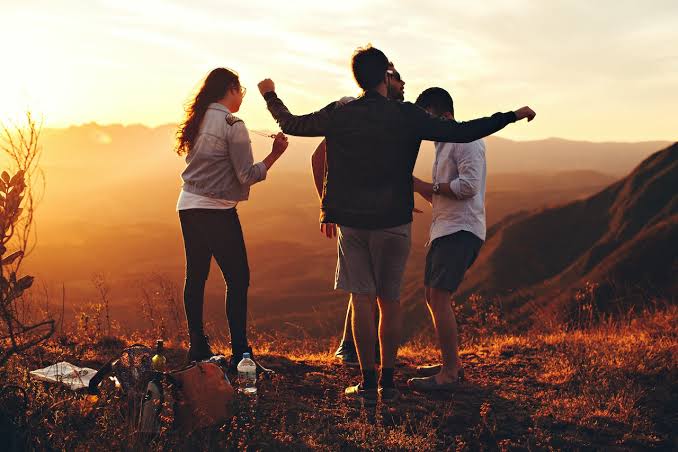

In a world filled with busy schedules, digital screens, and constant notifications, enjoying the outdoors can be a refreshing way to slow down and reconnect with the world around us. Whether you prefer hiking through a forest, walking along a beach, spending time Stephen Gleave Ancaster in a local park, or simply relaxing in your backyard, outdoor activities offer countless opportunities for exploration and relaxation. You do not need expensive equipment or complicated plans to experience the benefits of spending time outside.
Why Enjoying the Outdoors Matters
Spending time outdoors provides a natural break from everyday routines. Fresh air, open spaces, natural scenery, and sunlight can create a more relaxing environment than being indoors all day. Outdoor activities can also encourage people to move their bodies and explore new places.
Nature provides many different experiences depending on the season and location. A quiet walk through trees can feel peaceful, while a day of hiking, cycling, or fishing can provide excitement and adventure. Even simple activities such as watching birds or sitting beside a lake can help make an ordinary day more enjoyable.
Enjoying the outdoors is also an excellent way to spend quality time with family and friends. Shared outdoor experiences can create memorable moments while encouraging conversation and cooperation.
Hiking and Exploring Nature
Hiking is one of the most popular ways of enjoying the outdoors. Trails can range from short, easy paths to challenging routes through mountains and forests. Beginners can start with shorter trails and gradually explore more demanding routes as they become comfortable.
Before heading out, it is useful to learn about the trail, check the weather, and prepare appropriate clothing and footwear. Carrying enough water and some food is also important for longer walks.
Hiking allows people to discover landscapes that may not be visible from roads or city streets. Forests, hills, rivers, waterfalls, and scenic viewpoints can make every trip feel like a small adventure. Taking time to observe plants, animals, and changing landscapes can make the experience even more rewarding.
Fishing and Relaxing Near Water
For people who prefer a slower pace, fishing can be a wonderful outdoor activity. Sitting near a river, lake, or pond gives you an opportunity to enjoy the surroundings while waiting patiently for a catch. Fishing can be both recreational and social, making it suitable for spending time with friends or family.
Water environments also provide excellent opportunities for photography, birdwatching, walking, and simply relaxing. The sound of flowing water and the sight of natural landscapes can create a peaceful atmosphere.
People interested in fishing should learn and follow local regulations, including rules concerning licenses, seasons, catch limits, and protected species. Responsible fishing helps preserve aquatic environments for future generations.
Camping Under the Open Sky
Camping provides another memorable way of enjoying the outdoors. Spending a night away from busy streets and electronic distractions can create a stronger connection with nature.
A basic camping trip may involve setting up a tent, preparing food, exploring nearby trails, and enjoying the scenery. Some campers prefer organized campgrounds with facilities, while others enjoy more remote locations where permitted.
Preparation is essential for a comfortable camping experience. Campers should consider weather conditions, local rules, food storage, lighting, appropriate clothing, and emergency supplies. Leaving the campsite clean and respecting wildlife are also important parts of responsible outdoor recreation.
Cycling and Outdoor Exercise
Cycling combines exercise with exploration. Riders can travel through parks, countryside roads, trails, and dedicated cycling paths while discovering new surroundings.
Outdoor exercise does not have to be intense. Walking, jogging, stretching, and casual cycling can all be enjoyable ways to stay active. The most important factor is choosing an activity that feels comfortable and enjoyable.
When cycling or participating in other outdoor activities, appropriate safety equipment and awareness of the surrounding environment are important. Planning routes ahead of time can also make the experience more convenient.
Enjoying the Outdoors With Family
Outdoor activities can be particularly valuable for families. A simple visit to a park can provide children with an opportunity to run, play, observe nature, and develop curiosity about their surroundings.
Families can organize picnics, nature walks, photography challenges, scavenger hunts, or outdoor games. These activities do not require complicated preparation and can be adapted to different ages and interests.
Spending time outdoors together can also reduce the focus on phones, computers, and television. Instead, family members can talk, play, explore, and create shared memories.
Wildlife and Nature Observation
Nature observation is a great option for people who enjoy quiet activities. Birdwatching, wildlife photography, identifying plants, and observing insects can turn a normal walk into an educational experience.
A pair of binoculars, a camera, or a nature identification guide can make these activities more interesting. However, it is important to observe wildlife from a safe distance and avoid disturbing animals or their habitats.
Learning about local ecosystems can also increase appreciation for the environment. Understanding how plants, animals, water, and weather interact helps people recognize the importance of protecting natural spaces.
Practicing Responsible Outdoor Recreation
Enjoying the outdoors comes with a responsibility to protect nature. Visitors should avoid leaving litter behind, damaging plants, disturbing wildlife, or creating unnecessary noise in sensitive areas.
Following the principles of responsible recreation can make outdoor spaces cleaner and safer for everyone. Visitors should use designated trails when required, follow campground rules, dispose of waste properly, and respect other people enjoying the area.
Small actions can make a significant difference. Taking reusable water bottles, reducing disposable waste, and leaving natural objects where they are can help preserve outdoor environments.
Making Outdoor Activities Part of Everyday Life
Enjoying the outdoors does not have to mean planning a major adventure. Small outdoor moments can become part of a normal routine. A morning walk, lunch in a park, evening bike ride, or weekend nature trip can provide valuable time outside.
People with busy schedules can begin with short activities and gradually increase their time outdoors. The goal is not to complete the most difficult trail or visit the most remote location. Instead, it is about finding activities that provide enjoyment and fit naturally into everyday life.
Conclusion
Enjoying the outdoors offers countless ways to relax, explore, exercise, learn, and spend meaningful time with others. From hiking and fishing to camping, cycling, photography, and simple walks, there is an outdoor activity for almost every interest and ability level.
The beauty of outdoor recreation is its simplicity. You can begin with little more than comfortable clothing and a desire to explore. By spending more time outside and treating natural environments with care and respect, you can discover new experiences while helping preserve these spaces for others. Whether you are looking for adventure or a peaceful break from daily life, the outdoors provides an open invitation to explore, appreciate, and enjoy nature.