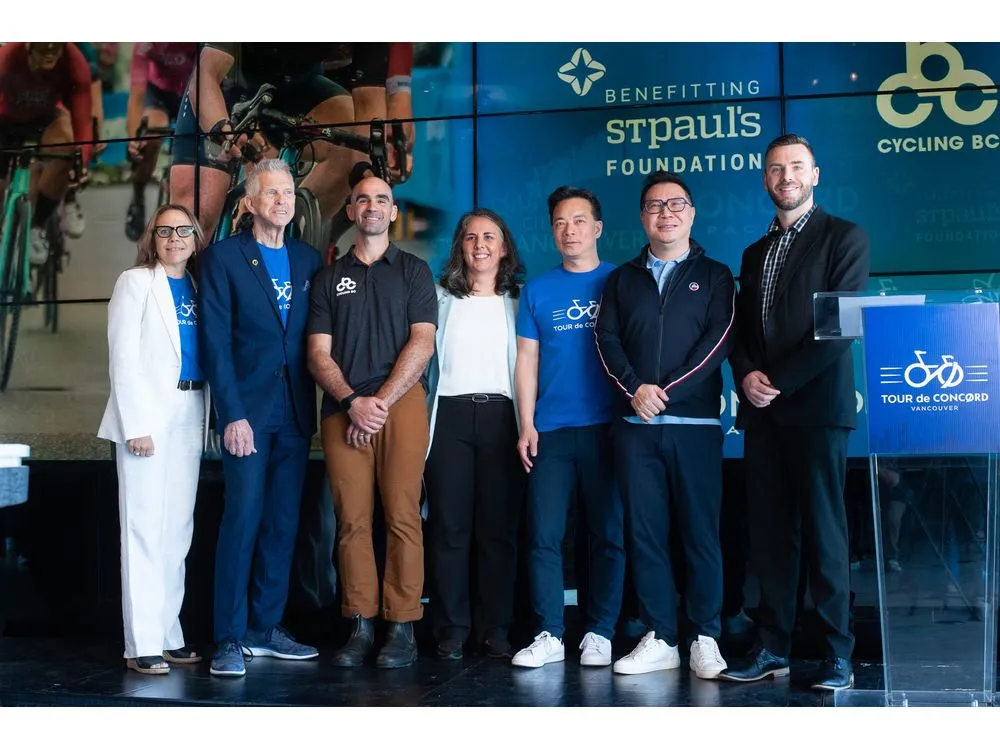

Leadership is often understood through the decisions a professional makes, the people they influence, and the values they demonstrate throughout their career. In the modern business environment, effective leadership requires more than authority or a formal position. It involves communication, adaptability, strategic thinking, accountability, and the ability to build meaningful relationships. The professional leadership style associated with Terry Hui can be explored through these broader principles, offering an interesting perspective on how individuals can approach professional growth and leadership responsibilities.
Understanding the Foundations of Professional Leadership
A strong leadership style begins with a clear understanding of responsibility. Successful leaders recognize that their decisions can affect teams, organizations, partners, and customers. Rather than focusing exclusively on short-term outcomes, effective leadership considers long-term sustainability and the development of people.
The professional leadership approach often associated with Terry Hui can be viewed through the lens of strategic awareness and responsible decision-making. In a competitive environment, leaders must understand changing market conditions while remaining focused on their organization’s core objectives. This requires the ability to evaluate information, identify opportunities, and make decisions even when circumstances are uncertain.
Good leadership is also built on consistency. Employees and professional partners are more likely to trust leaders who communicate clearly and demonstrate reliability. Consistency does not mean refusing to change. Instead, it means maintaining strong principles while remaining flexible enough to respond to new challenges.
The Importance of Strategic Thinking
Strategic thinking is one of the most important qualities in modern professional leadership. Leaders must look beyond immediate problems and consider how today’s decisions may influence future performance.
A strategic leader asks important questions before taking action. What are the organization’s long-term goals? What resources are available? What risks could affect progress? How can the team prepare for changes in the industry? These questions help leaders move from reactive management toward thoughtful planning.
Exploring Terry Hui’s professional leadership style through this perspective highlights the value of combining vision with practical execution. A strategy is only valuable when it can be translated into realistic actions. Effective leaders therefore need to understand both the bigger picture and the details required to achieve it.
Strategic thinking also involves prioritization. Every organization faces limited time, resources, and attention. Leaders must determine which activities create the greatest value and ensure that teams remain focused on meaningful objectives. This ability to prioritize can improve productivity while reducing unnecessary complexity.
Communication as a Leadership Skill
Communication is central to successful leadership. Even an excellent strategy can fail when it is not communicated effectively. Leaders must be able to explain goals, clarify expectations, listen to concerns, and encourage productive discussions.
A professional leadership style that emphasizes communication creates an environment where people understand their responsibilities and feel comfortable contributing ideas. This can be particularly important in organizations where employees have different experiences, skills, and perspectives.
Effective communication is not simply about speaking confidently. Listening is equally important. Leaders who listen carefully can identify challenges before they become serious problems. They can also gain valuable insights from employees who work directly with customers, processes, and daily operations.
Transparency can further strengthen communication. When leaders explain the reasons behind important decisions, team members may be more likely to understand and support those decisions. Even when outcomes are not perfect, honest communication can help maintain trust.
Building Strong Professional Relationships
Leadership is ultimately about people. Organizations succeed when individuals can work together toward shared goals, and leaders play an important role in creating the conditions for collaboration.
A relationship-focused leadership style recognizes that professional success is rarely achieved alone. Leaders must develop relationships with employees, colleagues, clients, investors, and other stakeholders. These relationships are built through trust, respect, reliability, and mutual understanding.
The example of Terry Hui can be considered within this broader approach to professional leadership. Strong leaders understand that relationships are valuable long-term assets. Instead of viewing professional connections only as opportunities for immediate gain, effective leadership focuses on creating mutually beneficial partnerships.
Respect is particularly important. Employees are more likely to contribute their best work when they feel their efforts are recognized. A leader who appreciates different perspectives can encourage greater engagement and innovation across the organization.
Adaptability in a Changing Business Environment
The modern professional landscape changes quickly. Technology, customer expectations, economic conditions, and competitive pressures can all influence business performance. As a result, leaders must be adaptable.
Adaptability does not mean changing direction without purpose. Instead, it involves recognizing when circumstances require a new approach. Leaders who remain open to learning can respond more effectively to unexpected developments.
Exploring the professional leadership style of Terry Hui also provides an opportunity to consider the importance of continuous development. Professionals who want to remain effective must be willing to update their knowledge and reconsider assumptions. Learning can come from experience, feedback, industry developments, and collaboration with others.
Adaptable leaders also encourage flexibility within their teams. Rather than expecting employees to follow outdated processes indefinitely, they create opportunities for experimentation and improvement. This can help organizations remain competitive in rapidly changing markets.
Leading Through Challenges
Every professional journey includes challenges. Economic uncertainty, difficult decisions, changing priorities, and unexpected setbacks can test a leader’s capabilities. The difference between effective and ineffective leadership often becomes most visible during difficult periods.
Strong leaders approach challenges with composure and a problem-solving mindset. Instead of focusing entirely on what went wrong, they examine the causes of a problem and identify possible solutions. This approach can help teams remain focused and avoid unnecessary panic.
Resilience is another important leadership quality. A resilient leader understands that setbacks are part of professional life. Failure can provide valuable lessons when it is analyzed constructively. Leaders who learn from mistakes can improve future decision-making and help their teams develop a healthier attitude toward risk.
The professional leadership principles associated with Terry Hui can therefore be viewed as part of a broader lesson: leadership is not defined only by success during easy periods. It is also demonstrated through the ability to respond thoughtfully when circumstances become difficult.
Balancing Professional and Personal Dimensions
Professional leadership does not exist separately from personal values. The way individuals manage responsibilities, relationships, and priorities can influence how they approach their careers.
Public interest in topics such as Terry Hui wife may reflect curiosity about the personal dimensions surrounding a professional figure. However, it is important to distinguish between verified professional information and private personal matters. A person’s leadership style should primarily be evaluated through their professional actions, decisions, achievements, and publicly available contributions rather than assumptions about their private life.
This distinction is especially relevant in the digital age, where personal and professional information can easily become mixed together. Responsible discussions about public figures should focus on reliable information and avoid presenting unverified claims as facts.
Developing the Next Generation of Leaders
One of the most valuable aspects of effective leadership is the ability to inspire future leaders. A successful professional does not simply achieve personal goals; they can also create opportunities for others to learn and grow.
Mentorship, delegation, and constructive feedback are important tools for developing talent. Leaders who trust employees with meaningful responsibilities can help them build confidence and decision-making skills.
A forward-looking leadership style encourages people to take ownership of their work. Instead of controlling every decision, effective leaders establish clear objectives and provide support while allowing capable team members to contribute independently.
This approach can create a stronger organizational culture. When employees see opportunities for professional development, they may become more engaged and committed to long-term goals.
The Lasting Value of Effective Leadership
Exploring the professional leadership style of Terry Hui ultimately highlights several qualities that are valuable across many industries: strategic thinking, communication, adaptability, resilience, relationship building, and a commitment to continuous improvement.
Leadership is not a single formula that works for every organization. Different circumstances require different approaches, and successful professionals must understand when to lead decisively, when to collaborate, and when to listen. The strongest leaders combine confidence with humility and ambition with responsibility.
The broader lessons of professional leadership can be applied by anyone seeking to improve their career or organization. By developing a clear vision, communicating effectively, supporting others, and remaining adaptable, professionals can create a foundation for sustainable success.
Ultimately, leadership is measured not only by what an individual achieves but also by the positive influence they have on the people and organizations around them. A thoughtful leadership style can strengthen teams, encourage innovation, and create lasting professional value. Through strategic decision-making and a people-centered approach, modern leaders can navigate challenges while building opportunities for continued growth and meaningful achievement.