
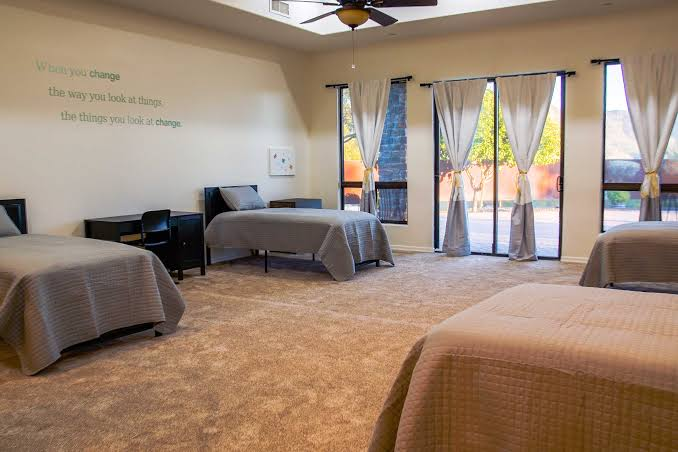
Finding the right mental health support for a teenager can be a challenging journey for families. When an adolescent struggles with emotional, behavioral, or psychological issues, professional care in a structured environment may provide the guidance and stability adolescent residential treatment centers in arizona they need. Choosing among the many adolescent residential treatment centers in arizona requires careful research, understanding of treatment approaches, and consideration of each teen’s unique needs. The right facility can help young people develop coping skills, improve emotional regulation, and build a stronger foundation for the future.
Understanding Adolescent Residential Treatment
Adolescent residential treatment programs are specialized facilities designed to provide 24-hour care and therapeutic support for teenagers facing mental health challenges. Unlike traditional outpatient therapy, residential treatment offers a structured living environment where adolescents receive continuous guidance from trained professionals.
These programs often support teens dealing with anxiety, depression, trauma, substance use concerns, behavioral challenges, or difficulties managing emotions. The goal is not only to address immediate struggles but also to help adolescents develop skills they can use after completing the program.
Residential treatment typically combines individual therapy, group counseling, family involvement, educational support, and recreational activities. This comprehensive approach allows teens to work on personal growth while maintaining a safe and supportive routine.
Why Families Choose Residential Treatment Centers in Arizona
Arizona has become a popular location for families seeking specialized adolescent mental health services. The state offers a variety of treatment environments, from urban facilities to peaceful settings that allow teens to focus on recovery away from daily stressors.
Many families consider adolescent residential treatment centers in arizona because these programs provide a balance of professional care and a supportive atmosphere. A change in environment can sometimes help teenagers step away from negative influences and focus on healing.
Residential programs in Arizona may also offer access to experienced therapists, licensed counselors, medical professionals, and behavioral specialists who understand the complexities of adolescent development. The combination of expert care and structured routines can make a significant difference in a teen’s progress.
Important Factors When Choosing a Treatment Center
Selecting a residential treatment center is an important decision that requires careful evaluation. Every adolescent has different needs, so families should look beyond general services and focus on whether a program matches their teen’s specific situation.
Qualified and Experienced Staff
The quality of a treatment program depends greatly on the professionals providing care. Families should look for centers that employ licensed therapists, mental health professionals, medical staff, and trained support teams.
Experienced professionals should understand adolescent psychology and use evidence-based treatment methods. A strong team can create personalized plans that address emotional, behavioral, and social challenges.
Personalized Treatment Plans
A successful residential program should not use a one-size-fits-all approach. Each teen should receive an individualized treatment plan based on their needs, goals, and challenges.
Treatment plans may include therapy sessions, skill-building activities, family counseling, academic assistance, and strategies for managing emotions. Personalized care helps ensure that teenagers receive support that fits their personal growth journey.
Family Involvement and Communication
Family participation is an important part of adolescent recovery. The best residential programs encourage parents and guardians to stay involved through therapy sessions, progress updates, and educational resources.
Strong family communication can help rebuild relationships and prepare everyone for a smoother transition when the teen returns home. Programs that value family involvement often create better long-term outcomes.
Safe and Supportive Environment
A residential treatment center should provide a secure environment where teenagers feel respected and understood. Safety includes both physical protection and emotional support.
A positive environment allows adolescents to express themselves without fear of judgment. Staff members should promote trust, responsibility, and healthy relationships among residents.
Types of Therapies Offered in Residential Programs
Different treatment centers may use various therapeutic approaches depending on their philosophy and the needs of their residents. Understanding these options can help families make informed decisions.
Individual Therapy
Individual therapy allows teenagers to work privately with a trained therapist. These sessions help adolescents explore personal challenges, identify unhealthy patterns, and develop healthier coping strategies.
Group Therapy
Group therapy gives teens the opportunity to connect with others who may be facing similar experiences. Through guided discussions and activities, adolescents can improve communication skills, build confidence, and learn from their peers.
Family Therapy
Family therapy focuses on improving relationships between teenagers and their loved ones. It helps families understand challenges, develop better communication habits, and create a stronger support system.
Educational Support
Many residential programs provide academic assistance to help students continue their education while receiving treatment. Maintaining educational progress can help teenagers stay connected to their future goals.
Questions to Ask Before Selecting a Center
Before choosing from available adolescent residential treatment centers in arizona, families should ask important questions about the program, staff, and services.
Some helpful questions include:
- What types of mental health concerns does the program specialize in?
- Are treatment plans customized for each teenager?
- What qualifications do therapists and staff members have?
- How does the program involve families?
- What support is available after completing treatment?
- How does the center measure progress?
Getting clear answers can help families determine whether a facility is the right fit for their teenager.
Preparing a Teen for Residential Treatment
Starting residential treatment can feel overwhelming for many adolescents. Parents can make the transition easier by having honest conversations and explaining the purpose of treatment.
Teenagers should understand that residential care is designed to provide support, learning, and personal growth. Encouraging an open mindset can help them become more comfortable with the process.
Families can also prepare by discussing expectations, packing necessary items, and staying connected during the treatment period. Consistent encouragement can help teens feel supported throughout their journey.
The Long-Term Benefits of Residential Treatment
The benefits of residential treatment often extend beyond the time spent in a program. Teens can develop valuable life skills, including emotional regulation, problem-solving, communication, and self-awareness.
Many adolescents leave treatment with a better understanding of themselves and healthier ways to handle challenges. With continued support from family, therapists, and community resources, these skills can contribute to long-term success.
Conclusion
Finding the best adolescent residential treatment centers in arizona requires patience, research, and careful consideration. Families should focus on programs that provide experienced professionals, personalized treatment plans, a safe environment, and strong family involvement.
The right residential treatment center can give teenagers the tools they need to overcome challenges and move toward a healthier future. By choosing a program that matches their unique needs, families can create a positive path toward healing, confidence, and personal growth.
