
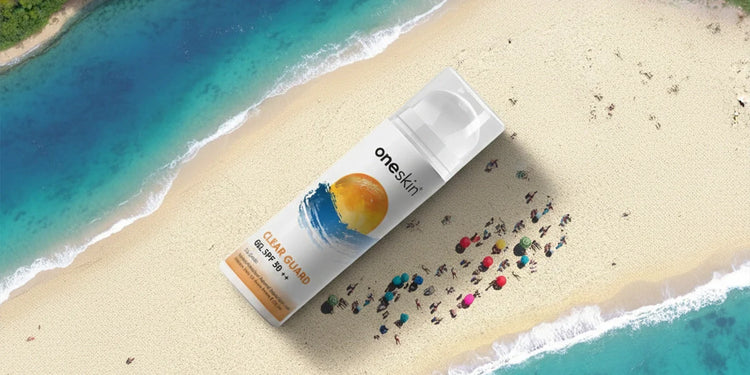
Choosing the best sunscreen buy is more important than ever as awareness about skin health continues to grow. With so many options available in the market, finding the right product that offers both protection and value can feel overwhelming. However, understanding key factors such as SPF, ingredients, skin type compatibility, and cost-effectiveness can help you make a smarter decision.
This guide will walk you through everything you need to know to ensure your best sunscreen buy delivers maximum protection while staying within your budget.
Why Sunscreen Matters for Daily Protection
Sunscreen is not just for beach days or summer outings. It is an essential part of daily skincare that protects your skin from harmful ultraviolet (UV) rays. These rays can cause premature aging, sunburn, and even increase the risk of skin cancer.
A smart best sunscreen buy ensures that you are protected from both UVA and UVB rays. UVA rays are responsible for aging, while UVB rays cause sunburn. A broad-spectrum sunscreen shields your skin from both, making it a must-have in your routine.
Understanding SPF and What It Means
What is SPF?
SPF, or Sun Protection Factor, measures how well a sunscreen protects your skin from UVB rays. For example, SPF 30 blocks about 97% of UVB rays, while SPF 50 blocks around 98%.
Choosing the Right SPF
For everyday use, dermatologists often recommend SPF 30 or higher. If you spend extended time outdoors, especially in direct sunlight, SPF 50 or above is a better option. However, higher SPF does not mean you can skip reapplication. Reapplying every two hours is essential for continuous protection.
When making your best sunscreen buy, look for a balance between SPF level and usability. A product you are comfortable applying regularly is more valuable than one with high SPF that you rarely use.
Types of Sunscreens: Which One is Best?
Chemical Sunscreens
Chemical sunscreens absorb UV rays and convert them into heat. They are lightweight and often blend easily into the skin without leaving a white cast. These are ideal for daily use, especially under makeup.
Physical (Mineral) Sunscreens
Physical sunscreens contain ingredients like zinc oxide or titanium dioxide. They sit on the skin and reflect UV rays. These are great for sensitive skin and provide immediate protection upon application.
Hybrid Sunscreens
Hybrid sunscreens combine both chemical and physical ingredients, offering the benefits of both types. They can be a great option for those looking for balanced performance.
Understanding these types helps you make a more informed best sunscreen buy based on your skin’s needs.
How to Choose Based on Your Skin Type
Oily Skin
If you have oily skin, look for oil-free or mattifying sunscreens. Gel-based formulas are usually lightweight and help control shine.
Dry Skin
For dry skin, choose sunscreens with hydrating ingredients like glycerin or hyaluronic acid. Cream-based formulas work best in this case.
Sensitive Skin
If your skin is sensitive, mineral sunscreens are often the safest option. Avoid products with fragrances or harsh chemicals.
Combination Skin
Combination skin benefits from lightweight, non-greasy sunscreens that hydrate without clogging pores.
Matching your sunscreen to your skin type ensures that your best sunscreen buy is both effective and comfortable to use daily.
Ingredients to Look For and Avoid
Beneficial Ingredients
Look for ingredients such as zinc oxide, titanium dioxide, niacinamide, and antioxidants like vitamin C. These not only protect your skin but also improve its overall health.
Ingredients to Avoid
Avoid sunscreens with excessive alcohol, artificial fragrances, and oxybenzone if you have sensitive skin. These can cause irritation or allergic reactions.
Being mindful of ingredients helps you make a smarter and safer best sunscreen buy.
Water Resistance and Durability
If you plan to swim or sweat, water-resistant sunscreen is essential. These products maintain their effectiveness for 40 to 80 minutes in water.
However, no sunscreen is completely waterproof. Reapplication is necessary, especially after swimming or heavy sweating. Choosing a water-resistant option adds value to your best sunscreen buy, particularly for active lifestyles.
Price vs. Quality: Getting the Best Value
A higher price does not always mean better protection. Many affordable sunscreens offer excellent protection if they meet basic criteria like broad-spectrum coverage and appropriate SPF.
When evaluating your best sunscreen buy, consider:
- Cost per use
- Quantity of the product
- Frequency of application
- Effectiveness for your skin type
Buying in larger quantities or opting for multipacks can also reduce costs in the long run.
Packaging and Convenience
Packaging plays a bigger role than most people realize. Sunscreens come in tubes, bottles, sprays, and sticks.
Travel-Friendly Options
Small tubes or sticks are convenient for on-the-go use and easy reapplication.
Spray Sunscreens
Sprays are quick and easy to apply but may not provide even coverage if not used carefully.
Pump Bottles
Pump bottles are hygienic and ideal for home use.
Choosing convenient packaging ensures you use the product consistently, making your best sunscreen buy truly worthwhile.
Tips for Proper Application
Even the best sunscreen will not work effectively if applied incorrectly. Here are some essential tips:
Apply Generously
Most people apply less sunscreen than needed. Use enough to cover all exposed areas of your skin.
Apply Before Sun Exposure
Apply sunscreen at least 15–20 minutes before going outdoors.
Reapply Regularly
Reapply every two hours or immediately after swimming or sweating.
Don’t Forget Key Areas
Commonly missed areas include ears, neck, hands, and feet.
Following these tips ensures that your best sunscreen buy delivers the protection you expect.
Seasonal Considerations
Sunscreen is not just for summer. UV rays are present year-round, even on cloudy days.
Summer Use
In summer, opt for higher SPF and water-resistant formulas due to increased sun exposure.
Winter Use
In winter, a lighter formula with moisturizing properties works well, especially if your skin tends to dry out.
Adjusting your sunscreen choice based on the season enhances the value of your best sunscreen buy.
Final Thoughts on Making the Best Sunscreen Buy
Finding the best sunscreen buy is not about choosing the most expensive or most popular product. It is about selecting a sunscreen that fits your skin type, lifestyle, and budget while providing reliable protection.
Focus on broad-spectrum coverage, appropriate SPF, skin-friendly ingredients, and ease of use. A well-chosen sunscreen becomes a daily habit rather than a chore, ensuring long-term skin health.
