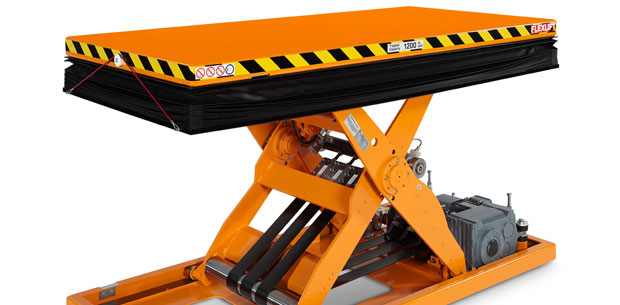

Automotive workshops demand high levels of precision, safety, and efficiency. Technicians regularly work with heavy vehicles, complex components, and tight timelines, making reliable lifting solutions essential. Lifting platforms have become a core piece of equipment in modern automotive workshops, replacing traditional jacks and ramps with safer, more precise systems that enhance both productivity and worker protection.
The Unique Demands of Automotive Workshops
Automotive workshops operate in confined spaces where accuracy is critical. Tasks such as underbody inspections, brake repairs, and transmission work require stable access to vehicles at specific heights.
Traditional lifting methods often lack stability and fine height control. A professionally designed 升降台 provides controlled vertical movement, allowing technicians to position vehicles exactly where needed for each task.
Improving Precision in Vehicle Maintenance
Precision is essential when working with modern vehicles that include sensitive electronics and tightly fitted components. Lifting platforms allow incremental height adjustments, ensuring optimal access without overextending or repositioning the vehicle repeatedly.
By using a 升降台, technicians can maintain consistent working heights, improving accuracy during diagnostics, repairs, and installations. This precision reduces mistakes and improves overall service quality.
Enhancing Technician Safety
Safety risks in automotive workshops include falls, crush injuries, and muscle strain. Traditional jacks and ramps can shift or fail if improperly positioned.
A certified 升降台 offers a stable platform with built-in safety features such as locking mechanisms, guardrails, and overload protection. These features significantly reduce accident risks and create a safer working environment.
Reducing Physical Strain and Fatigue
Automotive repair involves repetitive tasks and awkward postures. Working under vehicles without proper height adjustment increases physical strain and long-term injury risk.
Lifting platforms support ergonomic working positions. With a 升降台, technicians can adjust height to suit each task, reducing fatigue and improving focus throughout the workday.
Supporting Heavy and Specialized Vehicles
Modern workshops often service a wide range of vehicles, from compact cars to heavy-duty trucks. Lifting platforms are available in different load capacities to handle this variety safely.
A heavy-duty 升降台 ensures stable lifting of larger vehicles, expanding the workshop’s service capabilities without compromising safety.
Improving Workflow Efficiency
Time efficiency is critical in automotive workshops. Lifting platforms reduce setup time compared to traditional methods, allowing faster vehicle positioning and turnaround.
Using a 升降台 streamlines workflow, enabling workshops to service more vehicles per day while maintaining quality standards.
Enhancing Workshop Organization
Lifting platforms help keep workspaces organized by reducing the need for bulky ramps and temporary lifting tools. This improves floor space utilization and reduces clutter.
A compact 升降台 integrates neatly into workshop layouts, supporting clean and efficient operations.
Supporting Compliance and Professional Standards
Automotive workshops must comply with safety and equipment regulations. Certified lifting platforms meet these requirements and demonstrate a commitment to professional standards.
Installing a compliant 升降台 helps workshops pass inspections and build trust with customers.
Long-Term Investment Value
Although lifting platforms require upfront investment, they deliver long-term value through reduced injuries, higher productivity, and extended equipment lifespan.
A high-quality 升降台 becomes a reliable asset that supports workshop growth and service excellence.
Conclusion
升降台 play a vital role in improving precision and safety in automotive workshops. By offering stable access, ergonomic benefits, and efficient workflows, they help technicians perform at their best. Investing in the right lifting platform enhances both operational performance and long-term workshop success.
