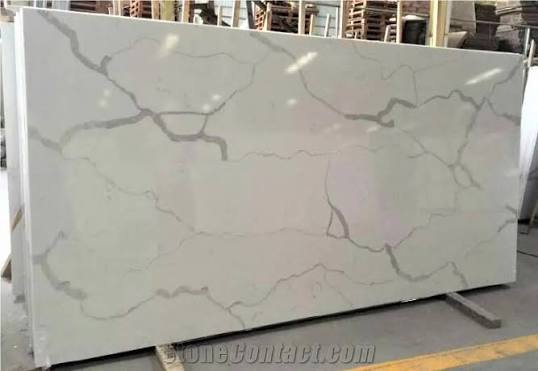

In modern architectural design, interior decorating, and commercial construction, selecting materials that harmonize aesthetic appeal with structural resilience is essential. Among the wide range of engineered surface materials available today, the Quartz Sheet has emerged as an industry benchmark. Renowned for its exceptional strength, seamless versatility, and striking appearance, this engineered stone has transformed how homeowners, interior designers, and architects approach surface design. Whether installed as kitchen countertops, vertical wall cladding, high-traffic commercial flooring, or customized furniture, Quartz Sheet surfaces deliver a blend of performance and luxury that few alternatives can match.
What Is a Quartz Sheet?
A Quartz Sheet is an engineered composite material manufactured by combining natural quartz crystals with high-performance polymer resins, binding agents, and pigments. Typically composed of approximately 90% to 93% ground natural quartz aggregate bound together with 7% to 10% resin, the resulting material captures the organic feel and depth of natural stone while offering significant structural improvements.
Unlike natural granite or marble slabs, which are quarried directly from the earth and inherently possess internal fissures and inconsistent patterns, each Quartz Sheet is crafted using advanced vacuum vibration and compression technology. This manufacturing process eliminates internal voids, producing a dense, solid, and exceptionally uniform material engineered for demanding environment usage.
The Superior Durability of Quartz Sheet Surfaces
Durability is often the primary factor driving the selection of surface materials in residential and commercial projects. A Quartz Sheet excels in every performance metric, offering long-term reliability under heavy wear and tear.
Exceptional Hardness and Scratch Resistance
Quartz is one of the hardest minerals found in nature, ranking at a 7 on the Mohs hardness scale (surpassed only by gemstones like topazes, sapphires, and diamonds). Because a Quartz Sheet retains such a high concentration of natural quartz, it inherits this remarkable hardness. Consequently, surfaces made from a Quartz Sheet exhibit superior resistance to scratches, scuffs, and impacts from everyday objects such as knives, cookware, and heavy equipment.
Non-Porous Composition and Stain Immunity
One of the biggest limitations of natural stone surfaces—such as marble or concrete—is their porous nature, which readily absorbs liquids, oil, and pigments, leading to permanent staining and bacterial growth. Conversely, the resin binder within a Quartz Sheet seals all micro-cavities, creating an entirely non-porous surface. Liquids like red wine, coffee, citrus juices, oils, and inks remain on the surface without penetrating the matrix, allowing effortless cleanup and maintaining hygienic conditions without requiring chemical sealers.
Chemical and Moisture Resistance
Because it is non-porous and chemically inert, a Quartz Sheet stands up impressively against common household cleansers, mild acids, and damp environments. This makes it an ideal choice for high-moisture areas like bathroom vanities, shower walls, and commercial kitchens, where humidity and liquid exposure are constant challenges.
Unmatched Versatility Across Design Applications
Beyond its impressive physical strength, the widespread adoption of the Quartz Sheet stems from its remarkable adaptability in design and fabrication.
Interior Residential Applications
- Kitchen Countertops and Islands: The primary application for a Quartz Sheet remains kitchen countertops, where its stain resistance and durability withstand daily culinary preparation.
- Bathroom Vanities and Shower Cladding: Its moisture-impermeable nature prevents mold and mildew buildup, offering a clean, spa-like finish for vanity tops, tub surrounds, and full-height shower walls.
- Custom Furniture and Table Tops: Designers frequently utilize cut pieces of a Quartz Sheet for dining tables, coffee tables, integrated shelving, and fireplace surrounds.
Commercial and Architectural Solutions
- High-Traffic Flooring: In office lobbies, airports, shopping malls, and luxury hotels, flooring crafted from a Quartz Sheet endures continuous foot traffic without losing its luster or structural integrity.
- Reception Desks and Wall Panels: The uniform texture and structural strength allow large-scale installation of vertical wall cladding and grand reception desks, imparting an air of contemporary elegance.
- Healthcare and Hospitality Surfaces: Because a non-porous Quartz Sheet does not harbor bacteria, viruses, or fungi, it is extensively specified in hospitals, laboratories, cafeterias, and hotel suites where strict hygiene standards are paramount.
Aesthetic Flexibility and Aesthetic Trends
Unlike natural stone slabs, whose supply depends on quarried batch availability, a Quartz Sheet can be produced in a virtually infinite variety of colors, textures, and patterns.
Modern manufacturing allows a Quartz Sheet to emulate the delicate veining of classic Italian Calacatta or Carrara marble, the subtle grain of granite, or the sleek, industrial look of polished concrete. Advanced pigmentation techniques can yield consistent bold solids, soft earth tones, or vibrant customized shades, enabling complete design freedom. Furthermore, surfaces can be finished in high-gloss polish, soft matte, or textured honed finishes to match any architectural theme.
Low Maintenance and Long-Term Value
Maintaining a Quartz Sheet surface requires minimal effort compared to natural stone counterparts:
- No Sealing or Waxing Required: Natural stone must be routinely re-sealed to prevent staining. A Quartz Sheet requires no periodic chemical sealants or wax treatments throughout its lifespan.
- Simple Cleaning Protocols: Routine cleaning requires only warm water, a soft cloth, and a mild non-abrasive soap.
- Cost Efficiency Over Time: While the initial investment in a Quartz Sheet is comparable to mid-to-high-grade granite or marble, its low maintenance requirements and longevity yield superior long-term ROI.
Key Considerations when Choosing a Quartz Sheet
To ensure optimal performance, a few practical considerations should be evaluated prior to installation:
- Thermal Sensitivity: While a Quartz Sheet can handle moderate heat, sudden extreme temperature changes or direct contact with hot pans can damage the polymer resins. The use of trivets and hot pads is recommended.
- Indoor Focus: Prolonged exposure to direct UV sunlight can cause the resin binder in a Quartz Sheet to discolor over time. Therefore, it is best suited for interior applications or shaded outdoor environments.
- Professional Installation: Due to the weight and density of a Quartz Sheet, precise cutting, edging, and joint fabrication should always be performed by certified stone fabricators.
Conclusion
The evolution of modern surface materials has positioned the Quartz Sheet as a leading choice for residential, commercial, and industrial interiors. By seamlessly combining the natural strength of quartz minerals with cutting-edge engineering, a Quartz Sheet offers an ideal balance of durability, low maintenance, hygienic performance, and aesthetic versatility. Whether upgrading a kitchen workspace, outfitting a luxury hotel lobby, or designing sanitary healthcare environments, choosing a Quartz Sheet guarantees a long-lasting, visually captivating finish built to endure daily life.