
In today’s fast-paced world, health has become a priority for many people, especially when it comes to respiratory well-being. Whether due to chronic conditions, aging, or high-altitude living, many individuals experience difficulty in maintaining optimal oxygen levels. An oxygen machine can play a vital role in enhancing overall health and improving quality of life. By providing a reliable source of oxygen, these devices help users breathe easier, sleep better, and maintain energy levels, ultimately contributing to a more active and fulfilling lifestyle.
Understanding How an Oxygen Machine Works
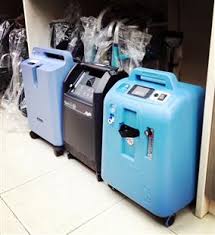
An oxygen machine, also known as an oxygen concentrator, is a medical device designed to deliver concentrated oxygen to individuals who have low blood oxygen levels. Unlike traditional oxygen tanks, which store oxygen under pressure, an oxygen machine extracts oxygen from the ambient air and supplies it directly to the user. This continuous flow ensures that users receive a steady and controlled amount of oxygen, tailored to their medical needs 氧氣機.
The core mechanism of an oxygen machine relies on filters and sieves that separate nitrogen from the air, increasing the concentration of oxygen to therapeutic levels. Most machines allow users to adjust the flow rate according to their prescribed requirements, ensuring maximum efficiency and comfort. This technology makes it possible for people with respiratory conditions to maintain adequate oxygen saturation throughout the day and night.
Benefits for Respiratory Health
One of the most immediate advantages of using an oxygen machine is the improvement in respiratory health. Individuals suffering from conditions such as chronic obstructive pulmonary disease (COPD), asthma, pulmonary fibrosis, or severe sleep apnea often struggle to get enough oxygen. Insufficient oxygen can lead to fatigue, dizziness, shortness of breath, and a decreased ability to perform daily tasks.
By providing supplemental oxygen, an oxygen machine helps alleviate these symptoms. Users often report experiencing easier breathing, reduced chest discomfort, and a decrease in episodes of shortness of breath. Regular use can prevent complications associated with chronic low oxygen levels, such as high blood pressure in the lungs, heart strain, and decreased organ function.
Enhancing Sleep Quality
Sleep disturbances are a common problem among individuals with respiratory challenges. Low oxygen levels during sleep can lead to restless nights, frequent awakenings, and daytime fatigue. An oxygen machine can make a significant difference by ensuring a steady oxygen supply throughout the night.
Improved oxygenation supports deeper, more restorative sleep, reducing the risks of sleep apnea-related complications and improving cognitive function during the day. Many users find that with the use of an oxygen machine, they wake up feeling more refreshed, energetic, and mentally alert. Better sleep quality directly translates into a better quality of life, allowing individuals to engage more fully in daily activities.
Boosting Energy and Physical Performance
Oxygen is essential for cellular energy production. When the body receives adequate oxygen, it can convert nutrients into energy more efficiently, supporting both physical and mental performance. Individuals with low blood oxygen often experience fatigue, weakness, and reduced stamina, which can limit their ability to exercise, work, or engage in social activities.
Using an oxygen machine helps restore energy levels by ensuring that the body receives sufficient oxygen for optimal metabolism. Many users notice increased endurance, improved exercise tolerance, and a renewed capacity for daily tasks. For active individuals or those recovering from illness, this boost in energy can make a profound difference in overall well-being.
Supporting Mental Clarity and Mood
Oxygen plays a crucial role in brain function. Low oxygen levels can contribute to difficulties in concentration, memory lapses, and mood disturbances. An oxygen machine can help counteract these issues by ensuring a constant supply of oxygen to the brain.
Enhanced oxygenation improves cognitive performance, allowing users to think more clearly, focus better, and process information efficiently. Additionally, adequate oxygen levels have been linked to improved mood and reduced anxiety. Many users report feeling calmer, more positive, and less prone to irritability when consistently using an oxygen machine.
Improving Cardiovascular Health
Chronic low oxygen levels can place stress on the heart and blood vessels, potentially leading to cardiovascular complications over time. By increasing oxygen availability, an oxygen machine reduces the strain on the heart and supports healthy circulation.
Consistent oxygen therapy helps maintain proper oxygen saturation in the blood, ensuring that vital organs receive the oxygen they need. This can prevent complications such as heart enlargement, arrhythmias, and high blood pressure in the lungs. For individuals with pre-existing heart conditions, supplemental oxygen can be a vital tool in promoting long-term cardiovascular health.
Enhancing Overall Quality of Life
Beyond the physical benefits, an oxygen machine can significantly enhance overall quality of life. By improving energy levels, sleep quality, mental clarity, and cardiovascular function, users gain the freedom to engage in daily activities with less discomfort and more confidence.
Individuals using oxygen therapy often report greater independence, as they are able to participate in hobbies, socialize with friends and family, and maintain a more active lifestyle. The peace of mind that comes with knowing oxygen levels are stable can also reduce stress and improve emotional well-being.
Choosing the Right Oxygen Machine
Selecting the right oxygen machine is crucial for maximizing its benefits. Factors to consider include flow rate, portability, noise levels, and maintenance requirements. Stationary units are ideal for home use, providing continuous oxygen with minimal intervention, while portable units allow for greater mobility and flexibility.
Consulting with a healthcare provider is essential to determine the appropriate oxygen prescription and machine type. Regular monitoring of oxygen levels and adherence to prescribed usage ensures the therapy’s effectiveness and safety.
Conclusion
An oxygen machine is more than just a medical device; it is a gateway to improved health, independence, and a higher quality of life. By supporting respiratory function, enhancing sleep, boosting energy, promoting mental clarity, and protecting cardiovascular health, these machines empower individuals to live fuller, more active lives.
Whether used at home or on the go, the oxygen machine offers a reliable solution for those facing respiratory challenges or low oxygen levels. Embracing oxygen therapy can transform daily living, providing users with the vitality, confidence, and well-being they deserve.
