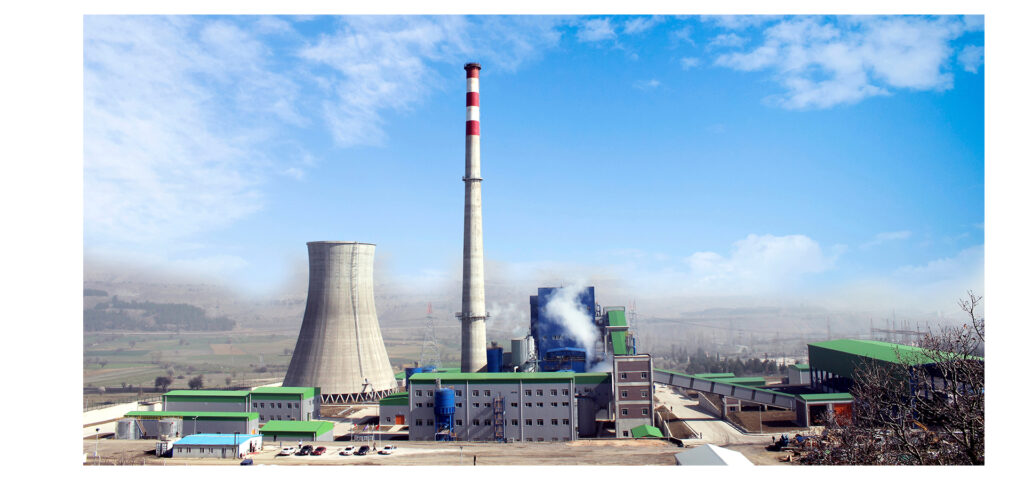

The energy sector in Southeast Asia is undergoing a significant transformation, with a growing emphasis on reliable, efficient, and environmentally conscious power generation. Medium capacity power plants have emerged as a key segment, offering flexibility and scalability that large-scale plants often cannot provide. This article explores the landscape of medium capacity power plant EPC opportunities in Southeast Asia, highlighting trends, challenges, and the potential for growth.
Understanding Medium Capacity Power Plants
Medium capacity power plants typically range from 50 MW to 300 MW and serve as an ideal solution for regional grids or industrial clusters. Unlike large-scale plants, these installations can be developed more quickly, require lower capital investment, and can adapt to fluctuating energy demand. For investors and developers, the appeal of medium capacity power plant EPC in Southeast Asia lies in its combination of cost-efficiency and adaptability.
These power plants utilize a variety of technologies, including natural gas, biomass, small-scale coal, and renewable energy sources such as solar and wind. Each type of technology offers unique advantages and caters to specific regional energy needs. For example, gas-fired medium capacity plants are preferred in urban areas due to lower emissions and faster ramp-up times, while biomass plants may be more suitable in agricultural regions with abundant organic waste.
The EPC Model and Its Significance
Engineering, Procurement, and Construction (EPC) contracts are a cornerstone of the power sector, particularly for medium capacity projects. EPC contractors provide end-to-end solutions, encompassing design, equipment procurement, construction, and commissioning. The EPC approach reduces risks for project owners, ensures compliance with local regulations, and streamlines project delivery.
In Southeast Asia, the demand for medium capacity power plant EPC in Southeast Asia has been fueled by governments’ focus on energy security and private sector participation. Countries like Vietnam, Thailand, Indonesia, and the Philippines have introduced policies encouraging private investments in regional power plants, creating a thriving market for EPC contractors.
Market Dynamics in Southeast Asia
Southeast Asia’s energy market is shaped by rapid industrialization, urbanization, and rising electricity demand. The region’s grid infrastructure often faces challenges such as congestion, reliability issues, and dependence on imported fuels. Medium capacity power plants present an opportunity to address these gaps efficiently.
Several factors make the region attractive for EPC projects:
- Growing Energy Demand: Southeast Asia is projected to witness an annual electricity demand growth of 5-6% over the next decade. Medium capacity power plants can be deployed quickly to meet localized needs.
- Government Incentives: Policies such as tax holidays, feed-in tariffs, and public-private partnership frameworks encourage investments in regional power projects.
- Diversification of Energy Mix: Countries are keen on diversifying their energy sources, reducing reliance on large centralized plants, and incorporating renewable options.
- Infrastructure Development: Enhanced grid connectivity and regional cooperation initiatives provide a conducive environment for EPC contractors.
Key Opportunities for EPC Contractors
EPC contractors operating in Southeast Asia have multiple avenues to explore within the medium capacity segment.
- Regional Industrial Hubs: Industrial zones and economic corridors often require dedicated power solutions. Medium capacity power plant EPC in Southeast Asia allows contractors to cater to these high-demand areas efficiently.
- Renewable Integration: With global pressure to reduce carbon emissions, EPC firms have opportunities to integrate solar, wind, and hybrid solutions in medium capacity setups. Hybrid plants, combining traditional fuels with renewables, are increasingly popular for their reliability and sustainability.
- Repowering and Upgrades: Many existing plants in Southeast Asia are outdated or underperforming. EPC contractors can offer modernization services, improving efficiency, output, and compliance with environmental standards.
- Distributed Generation Solutions: Medium capacity plants are ideal for distributed generation, supplying power to isolated or off-grid areas. EPC projects in this domain provide stable electricity, support local economies, and reduce transmission losses.
Challenges and Risk Management
Despite promising opportunities, medium capacity power plant EPC projects face several challenges. Regulatory frameworks can vary widely across countries, and obtaining permits may require navigating complex bureaucracies. Fuel supply logistics, currency fluctuations, and local labor laws also pose risks to project timelines and profitability.
Effective risk management strategies include comprehensive feasibility studies, local partnerships, flexible contract structures, and advanced project management tools. EPC contractors with strong experience in Southeast Asia can mitigate operational risks while maintaining budget and schedule adherence.
Future Outlook
The future for medium capacity power plant EPC in Southeast Asia is promising. The region is projected to continue its economic growth, and energy demand will rise correspondingly. Medium capacity projects offer a strategic balance between cost, speed, and sustainability, making them increasingly attractive for both public and private investors.
Technological innovations, such as modular plant designs, digital monitoring, and smart grid integration, are expected to enhance the efficiency and appeal of medium capacity plants. EPC contractors who embrace these technologies and local market knowledge will be well-positioned to secure new projects and drive the region’s energy transition.
Conclusion
Medium capacity power plants represent a vital component of Southeast Asia’s evolving energy landscape. For EPC contractors, the opportunities are vast, ranging from industrial hubs to renewable integration and distributed generation solutions. By understanding market dynamics, navigating challenges, and leveraging technological advancements, contractors can play a key role in meeting the region’s growing energy needs.
The demand for medium capacity power plant EPC in Southeast Asia continues to expand, offering strategic advantages to companies willing to invest in innovation, efficiency, and sustainable practices. As Southeast Asia strives for energy security and environmental responsibility, medium capacity power plants will remain a crucial tool in achieving these objectives.
