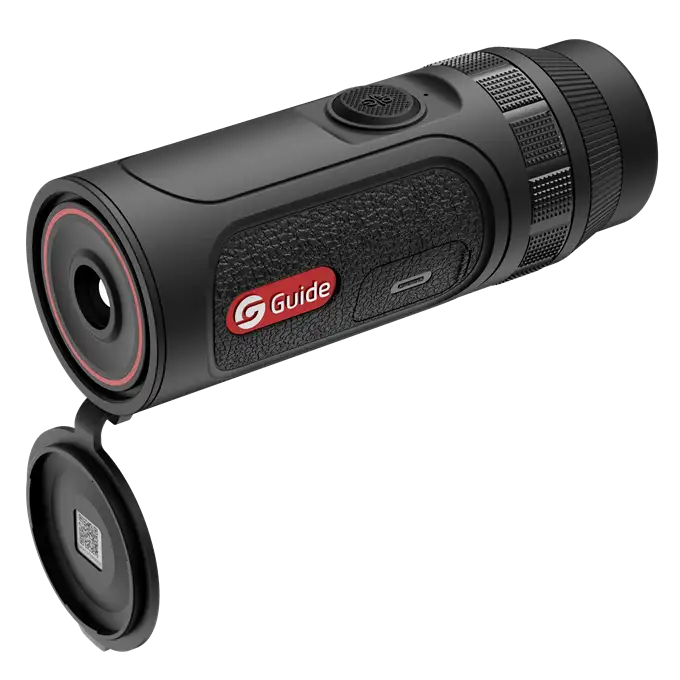

In today’s fast-paced world of technology and precision measurement, having the right tools is crucial for both professionals and hobbyists. One device that has gained considerable attention is the thermal clip-on. Known for its versatility and ease of use, the best thermal clip-on offers accurate temperature readings, enhanced safety, and increased efficiency across a variety of applications. This guide explores what makes a thermal clip-on exceptional, how to select the right one, and tips for achieving optimal performance.
Understanding Thermal Clip-Ons and Their Importance
A thermal clip-on is a compact device designed to measure temperature without the need for direct contact with sensitive surfaces. Unlike traditional thermometers, thermal clip-ons can attach to cables, pipes, or electronic components, providing continuous and precise monitoring. This non-invasive approach ensures that measurements do not interfere with the system’s operation, making the best thermal clip-on an invaluable tool in many industries, including electronics, automotive, HVAC, and laboratory environments.
Temperature management is critical in ensuring the longevity and efficiency of equipment. Overheating can lead to system failures, safety hazards, and reduced operational efficiency. By employing a thermal clip-on, users can monitor temperature trends, detect hotspots, and implement preventive measures to avoid costly downtime.
Key Features of the Best Thermal Clip-On
When searching for the best thermal clip-on, certain features stand out as essential for optimal performance:
1. Accuracy and Precision
Accuracy is paramount when it comes to temperature measurement. The best thermal clip-on provides reliable readings with minimal deviation. High-precision sensors ensure that even small temperature fluctuations are detected, which is crucial for sensitive applications like electronic testing or chemical experiments.
2. Easy Attachment and Compatibility
A top-tier thermal clip-on should be easy to attach to various surfaces or cables without requiring complex setup. Adjustable clamps or magnetic attachments can enhance versatility, allowing the device to fit snugly and securely, even in tight spaces. Compatibility with different materials and sizes ensures that the device is universally useful.
3. Durability and Build Quality
Thermal clip-ons often operate in environments where exposure to heat, moisture, or vibrations is common. The best thermal clip-on is built with robust materials to withstand these challenges, ensuring long-term reliability and consistent performance.
4. Data Logging and Connectivity
Modern thermal clip-ons often include features like data logging, wireless connectivity, or integration with monitoring software. These functionalities allow users to track temperature trends over time, export data for analysis, and integrate measurements into automated systems, making the device more than just a thermometer.
5. User-Friendly Interface
A clear display and intuitive controls make a thermal clip-on easier to use, especially for professionals who need to read data quickly. Backlit screens, digital readouts, and visual alerts for temperature thresholds can significantly enhance usability.
Applications of Thermal Clip-Ons
The versatility of the best thermal clip-on allows it to serve multiple applications across various sectors:
Electronics and Electrical Systems
Thermal clip-ons are essential for monitoring the temperature of electronic components, circuit boards, and power supplies. Detecting overheating parts can prevent component failure, ensuring device longevity and optimal performance.
Automotive and Mechanical Systems
In automotive maintenance, thermal clip-ons can monitor engine components, battery systems, and exhaust pipes. By identifying temperature anomalies early, mechanics can prevent breakdowns and improve overall vehicle safety and efficiency.
HVAC Systems
For heating, ventilation, and air conditioning, thermal clip-ons provide precise temperature readings of pipes, ductwork, and refrigerants. This enables technicians to optimize system performance, detect leaks, and ensure energy efficiency.
Laboratory and Industrial Use
In laboratory settings, thermal clip-ons help monitor chemical reactions, incubators, or other temperature-sensitive processes. Industrial applications benefit from continuous temperature monitoring of machinery and production lines, ensuring safe and efficient operations.
Tips for Selecting the Best Thermal Clip-On
Choosing the right thermal clip-on can be challenging due to the variety of models available. Here are some tips to ensure you select the best thermal clip-on for your needs:
Assess Your Requirements
Consider the specific temperatures, surfaces, and environments you will be measuring. Some thermal clip-ons are better suited for low-temperature measurements, while others handle extreme heat. Identifying your operational range is critical.
Check Sensor Type and Response Time
Thermal clip-ons may use different sensor types, such as thermocouples or infrared sensors. Faster response times allow for real-time monitoring, which is essential in dynamic systems.
Evaluate Build Quality
Look for devices made with high-quality materials that can withstand environmental challenges. Water-resistant or heat-resistant designs may be necessary depending on your application.
Consider Additional Features
Extra functionalities like data logging, alarms, and software integration can enhance the value of your thermal clip-on. Determine which features are necessary for your workflow to avoid unnecessary expenses.
Read Reviews and Compare Brands
Customer reviews and expert opinions can provide insights into a device’s performance, durability, and reliability. Comparing reputable brands ensures you invest in a product that consistently meets high standards.
Maintaining Your Thermal Clip-On for Optimal Performance
Proper maintenance extends the life and accuracy of your thermal clip-on. Here are some essential maintenance practices:
- Regular Calibration: Periodically calibrate the device according to manufacturer guidelines to ensure accuracy.
- Cleaning: Keep sensors and attachment points free from dirt, dust, or grease to avoid skewed readings.
- Proper Storage: Store in a dry, cool environment when not in use to prevent sensor degradation.
- Battery Management: Replace or recharge batteries regularly to ensure uninterrupted operation.
Conclusion
Investing in the best thermal clip-on is a smart decision for anyone seeking precise and reliable temperature monitoring. Its ability to provide non-contact measurements, coupled with advanced features like data logging and connectivity, makes it indispensable across multiple applications—from electronics and automotive systems to HVAC and laboratory settings. By carefully evaluating your needs, understanding essential features, and maintaining the device properly, you can ensure optimal performance, safety, and efficiency. Whether for professional use or personal projects, the best thermal clip-on is a tool that delivers accurate insights, prevents costly failures, and enhances overall operational effectiveness.