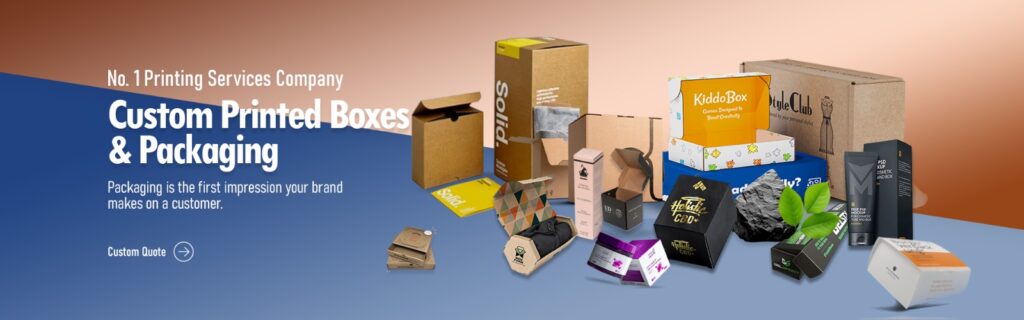

Printing plays a huge role in how custom boxes look and feel. A box may have a good design, but without the right printing technique, it can lose its impact. For businesses, printing is not just about adding color. It is about creating clarity, quality, and trust. The right printing method can make a box look premium, professional, and memorable.
Different printing techniques offer different results. Each method suits specific needs, budgets, and brand goals. Understanding these techniques helps businesses choose the best option for their custom boxes.
Why Printing Quality Matters in Custom Boxes
Printing quality directly affects how customers see a brand. Clear printing shows attention to detail. Poor printing can make even a good product look cheap.
Customers often judge product quality by packaging. Sharp text, rich colors, and clean finishes build confidence.
High-quality printing also improves brand recognition. When logos and colors look consistent, customers remember the brand more easily.
Flexographic Printing for Large Orders
Flexographic printing is one of the most common techniques used for custom boxes. It is widely used for corrugated packaging and shipping boxes.
This method uses flexible printing plates and fast-drying inks. It works well for simple designs, logos, and text.
Flexographic printing is cost-effective for large quantities. It is ideal for businesses that need bulk packaging with consistent results.
Offset Printing for High-Quality Graphics
Offset printing is known for its excellent image quality. It produces sharp details and vibrant colors.
This technique is best for custom boxes that require detailed artwork, gradients, or photographic images. It is often used for retail and premium packaging.
Offset printing usually costs more than flexographic printing, but the visual results are superior. Brands that focus on appearance often choose this method.
Digital Printing for Short Runs and Flexibility
Digital printing is a modern and flexible option for custom boxes. It does not require printing plates, which makes it faster to set up.
This method is perfect for short runs, seasonal packaging, or limited editions. Businesses can easily change designs without extra setup costs.
Digital printing also allows for personalization. This makes it a good choice for small businesses or brands that test new designs.
Screen Printing for Bold and Simple Designs
Screen printing uses a mesh screen to apply ink to the box surface. It works well for bold designs and solid colors.
This technique is often used for simple logos or text. It creates thick ink layers that stand out.
Screen printing is not ideal for detailed images, but it adds a strong visual impact when used correctly.
Litho Lamination for Premium Packaging
Litho lamination combines offset printing with corrugated boxes. First, the design is printed on a sheet. Then, it is laminated onto the box.
This method delivers high-quality visuals along with strong box structure. It is commonly used for premium retail packaging.
Litho-laminated boxes look smooth and professional, making them suitable for high-end products.
UV Printing for Enhanced Visual Appeal
UV printing uses ultraviolet light to cure ink instantly. This results in sharp and durable prints.
It allows printing on different surfaces and adds a glossy finish. UV printing is often used to highlight logos or specific design areas.
This technique adds depth and texture, which improves the overall look of custom boxes.
Foil Stamping for Luxury Effects
Foil stamping is a decorative printing technique. It uses heat and pressure to apply metallic foil to the box surface.
Gold, silver, and holographic foils are popular choices. Foil stamping adds a luxury feel and catches attention.
This method is often used for branding elements like logos or titles, especially in premium packaging.
Embossing and Debossing for Texture
Embossing raises design elements above the box surface. Debossing presses them into the surface.
Both techniques add texture and depth. They create a tactile experience that customers can feel.
These methods work well with logos and brand names. They add elegance without using extra colors.
Matte and Gloss Finishes for Final Touch
Finishes are just as important as printing. Matte finishes give a soft and modern look. Gloss finishes add shine and vibrancy.
The choice depends on brand style. Matte feels elegant and subtle. Gloss feels bold and eye-catching.
Finishes also protect printed designs from scratches and wear.
Choosing the Right Printing Technique
There is no single best printing technique for all custom boxes. The right choice depends on design complexity, budget, and quantity.
Simple shipping boxes may only need flexographic printing. Retail boxes often benefit from offset or digital printing.
Understanding business goals helps in selecting the most effective method.
Cost vs Quality Considerations
Printing costs vary by technique. High-quality methods cost more but deliver stronger visual impact.
Businesses should balance cost with expected value. Investing in better printing often leads to better customer perception.
Good printing supports branding and can increase sales over time.
Sustainability in Printing Techniques
Eco-friendly printing options are becoming popular. Water-based inks and recyclable materials reduce environmental impact.
Many printing techniques now support sustainable practices without compromising quality.
Choosing responsible printing improves brand image and customer trust.
Printing Consistency Across Packaging
Consistency is key for branding. The same printing quality should be maintained across all boxes.
Consistent colors and logos help customers recognize the brand instantly.
Reliable printing partners ensure uniform results across different orders.
How Printing Impacts Customer Experience
Customers notice packaging details. Smooth finishes, clear text, and rich colors improve satisfaction.
Good printing enhances the unboxing experience. It makes the product feel valuable.
Positive experiences lead to repeat purchases and brand loyalty.
Final Thoughts on Printing Techniques for Custom Boxes
Printing is a powerful element of custom packaging. It transforms simple boxes into branded experiences.
From flexographic to digital and luxury finishes, each technique serves a unique purpose.
By choosing the right printing method, businesses can improve brand image, attract customers, and stand out in competitive markets.
